
Introduction to Fitbit Fitness Trackers
Fitbit has established itself as a leading brand in the fitness tracking industry, recognized for its commitment to innovation and user-friendly designs. Since the inception of its first device in 2009, Fitbit has continuously evolved, integrating cutting-edge technology to enhance user experience and accuracy in health monitoring. The brand’s product line has expanded significantly, offering a diverse range of fitness trackers tailored to various user needs, from casual fitness enthusiasts to serious athletes.
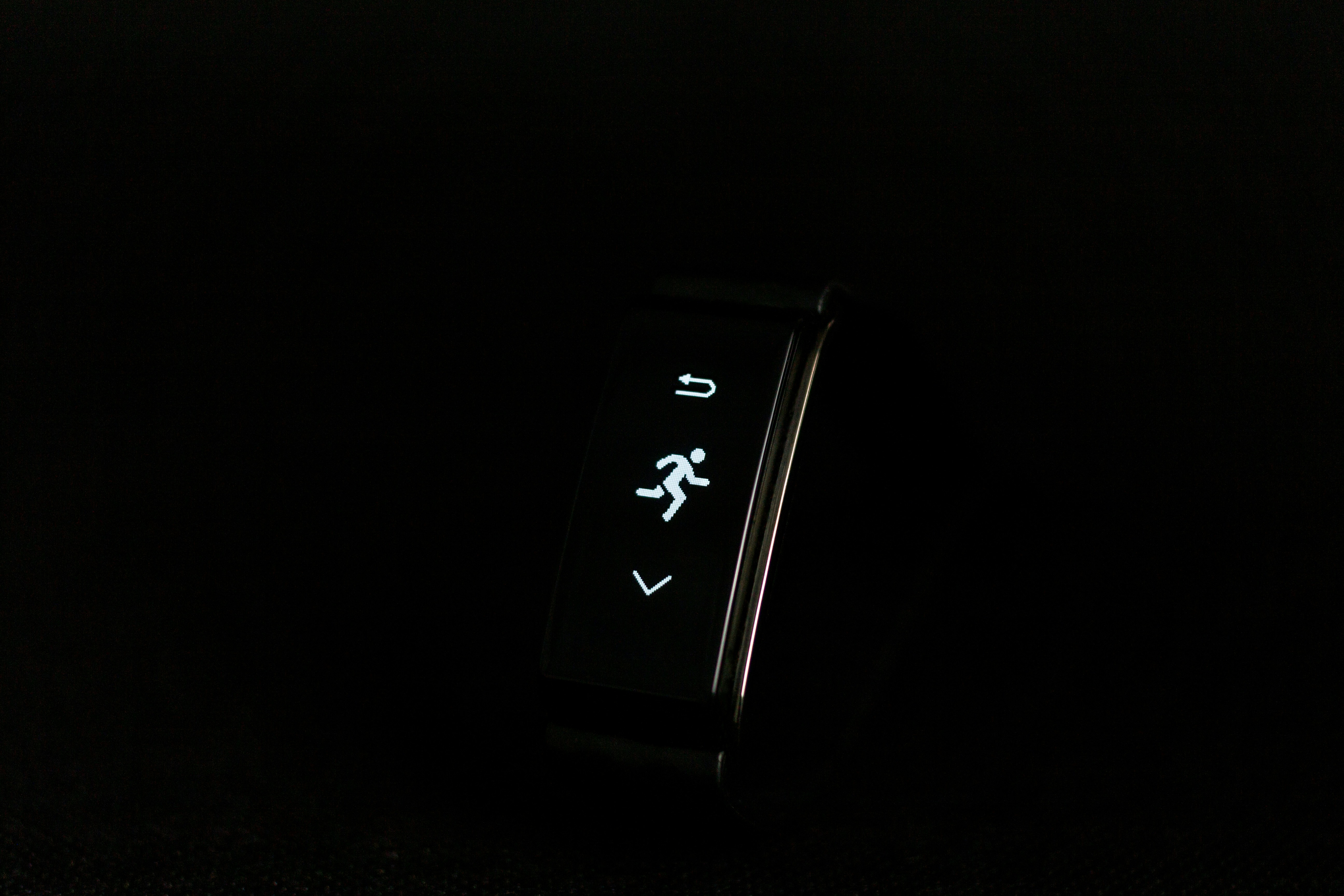
One of the standout features of Fitbit devices is their robust suite of health and fitness metrics, which allows users to track everything from daily steps and calories burned to sleep patterns and heart rate. The incorporation of advanced sensors and algorithms has positioned Fitbit as a pioneer in providing reliable, real-time data, empowering individuals to take charge of their health and fitness journeys. This data-driven approach not only assists users in achieving their fitness goals but also fosters heightened awareness regarding overall well-being.
In recent years, the significance of fitness trackers has surged, particularly in the realm of personal health monitoring. With increased emphasis on preventive healthcare, more individuals are seeking tools that facilitate self-tracking of health metrics, leading to better lifestyle choices. Fitbit stands out among its competitors by not only offering sophisticated devices but also integrating a comprehensive mobile application that enhances user engagement through goal setting, community challenges, and personalized insights.
Furthermore, Fitbit’s commitment to accessibility is evident in its range of products, catering to varying budgets while maintaining high standards of quality and functionality. This dedication to providing consumers with intuitive and effective fitness solutions has solidified Fitbit’s position as a trusted ally for those seeking to optimize their health, reinforcing the brand’s stature in the industry as it continues to influence the future of fitness tracking technology.
Criteria for Selecting the Best Fitbit Trackers
When evaluating the top Fitbit fitness trackers, several key criteria play a vital role in determining their effectiveness and value to users. The primary factor considered is tracking accuracy. For any fitness tracker, including Fitbit devices, accuracy is paramount as it impacts the reliability of data provided, such as steps taken, calories burned, and heart rate measurements. Users expect precise readings to adequately monitor their fitness journeys.
Another critical aspect is battery life. A fitness tracker that requires frequent charging can disrupt daily routines and diminish the user experience. Models that offer extended battery life enable seamless usage, allowing users to focus on their fitness goals without worrying about recharging their devices constantly.
Features significantly influence the selection process as well. Essential functionalities include heart rate monitoring, sleep tracking, and activity recognition. Heart rate monitoring aids users in understanding their cardiovascular health and can guide them during workouts. Sleep tracking provides insights into sleep quality, ensuring users can make informed decisions about their rest. Activity recognition helps identify various workouts, adding convenience for users who partake in diverse physical activities.
Compatibility with smartphones is another important criterion. Fitbit trackers should seamlessly integrate with popular operating systems, like iOS and Android, allowing users to sync data effortlessly. This feature enhances user experience, as individuals can access insights and track their progress through mobile applications. Additionally, price points must be considered, as they serve as a determining factor for many prospective buyers. The best Fitbit devices balance affordability with quality and features.
Finally, user reviews offer invaluable perspectives that can inform potential buyers about each model’s strengths and weaknesses. Testimonials and ratings help to paint a clearer picture of how well these fitness trackers perform in real-world scenarios, guiding users in making informed purchasing decisions.
The Top 5 Best Fitbit Fitness Trackers of 2025
In 2025, Fitbit remains a strong player in the fitness-tracker market, backed by its parent company Google LLC and continuing to deliver devices tailored to a range of user needs. Here are five standout models for this year, each catering to different lifestyles and fitness goals.
1. Fitbit Charge 6 – Best overall fitness tracker
The Charge 6 takes the flagship spot in 2025. It features a full-colour OLED display, built-in GPS, advanced health sensors (heart rate, SpO₂, ECG/EDA), and smart features like Google Wallet and YouTube Music integration.
It’s ideal for fitness enthusiasts who want serious tracking without stepping fully into the smartwatch realm.
2. Fitbit Inspire 3 – Best entry-level tracker
For beginners or those who prefer simplicity, the Inspire 3 is an excellent choice. It supports heart rate monitoring, sleep tracking, basic exercise modes, a color display—and up to ~10 days of battery life in light usage.
It lacks built-in GPS and some of the more advanced features of the Charge line, but that also keeps it accessible in cost and complexity.
3. Fitbit Versa 4 – Fitness-forward smartwatch option
The Versa 4 blends smartwatch features with fitness tracking: a larger display, interactive interface, support for apps, and plenty of exercise modes. It’s suited for users who want more versatility—tracking workouts, receiving notifications, and using wellness features—all from one device.
4. Fitbit Luxe – Style meets fitness
For users who care about aesthetics as much as features, the Luxe offers a sleek design with a slim profile and helpful health tracking features (stress management, sleep scores, activity tracking). Though it doesn’t pack all the advanced sensors of the Charge or Versa lines, its elegant look makes it a strong fun-and-fitness combination.
5. Fitbit Sense 2 – Premium health-feature smartwatch
In 2025, the Sense 2 serves users who prioritize deeper health metrics and smartwatch capabilities. It supports advanced wellness tools (including ECG, stress analytics, sleep-profile insights), and delivers a more comprehensive experience in the wearable space.
If budget allows and you want more than just steps and sleep, the Sense 2 is a top pick.
In summary, each of these Fitbit models meets different user requirements, ensuring that regardless of individual fitness goals, there is an option that caters effectively to varying lifestyles.
Conclusion and Final Thoughts
In this comprehensive review, we have explored the top five fitness trackers offered by Fitbit in 2023, discussing their unique features, advantages, and functionalities. Each device caters to different user preferences and requirements, highlighting the importance of selecting a fitness tracker that aligns with individual health and lifestyle goals. Fitbit’s diverse range of products effectively addresses various aspects of fitness tracking, from step counting and heart rate monitoring to sleep analysis and activity reminders.
As we have seen, the right fitness tracker can significantly influence an individual’s motivation and commitment to a healthier lifestyle. These devices serve not only as tools for monitoring physical activity but also as companions in one’s journey towards better health. By providing valuable insights into daily routines and encouraging goal-setting, a fitness tracker can enhance exercise regimens and help improve overall well-being. It is crucial, therefore, for users to assess their own fitness tracking needs carefully. Factors such as user interface, battery life, and available features should all play a role in determining the best device for one’s unique situation.
We encourage readers to take action towards improved health and fitness. This is an ideal opportunity to evaluate personal fitness goals and explore the various Fitbit options available in the market. Choosing a fitness tracker that suits your lifestyle can make a substantial difference in maintaining motivation, tracking progress, and ensuring long-term success in achieving health objectives. Investing in the right device today is a step toward a healthier tomorrow.