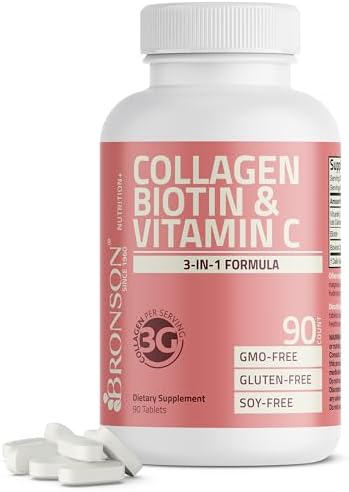
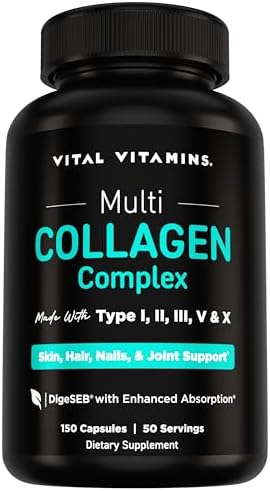
Collagen is a crucial protein that makes up a significant portion of our body’s structure, constituting approximately 30% of the total protein content. This essential protein functions as the primary building block for various tissues, including skin, bones, tendons, and cartilage. Its importance cannot be overstated, as it helps maintain the structural integrity, elasticity, and strength of these tissues, ensuring that they function optimally.

There are at least 16 different types of collagen identified in the human body, with types I, II, and III being the most prevalent. Type I collagen is primarily found in skin, tendons, and bone, providing a high tensile strength. Type II collagen is mainly present in cartilage, playing a critical role in joint health and mobility. Type III collagen is found in skin and blood vessels, contributing to the elasticity and firmness of these tissues. Each type of collagen serves a unique function, highlighting the protein’s versatility in support of overall health.
The body naturally produces collagen, relying on amino acids derived from protein-rich foods. However, several factors can impact collagen levels, including age, lifestyle, and environmental influences. As we age, the natural production of collagen diminishes, leading to signs of aging such as wrinkles, sagging skin, and decreased joint health. Additionally, factors such as poor diet, excessive sun exposure, and smoking can further deplete collagen levels, exacerbating these age-related changes.
Consequently, the decline in collagen production as we age necessitates a closer look at ways to support collagen levels. This can involve dietary changes, lifestyle modifications, and the use of collagen supplements, which may help to replenish this essential protein and combat the signs of aging. Understanding the vital role of collagen in our bodies is the first step toward enhancing our overall health and well-being.
Health Benefits of Collagen Supplements
Collagen supplements have gained significant attention for their potential to enhance overall health and well-being. Among the most notable benefits is the impact on skin health. Collagen, a crucial protein in our bodies, plays a vital role in maintaining skin elasticity and hydration. As we age, natural collagen production decreases, leading to visible signs of aging such as wrinkles and sagging skin. Supplementing with collagen can help replenish this vital protein, promoting a more youthful appearance and reducing the depth of wrinkles.
Beyond skin health, collagen supplements can offer considerable benefits for joint health. Collagen contributes to the structure of cartilage, which cushions joints and reduces friction. Regular intake of collagen can lead to pain relief for those suffering from joint discomfort or conditions such as osteoarthritis. Studies suggest that collagen supplementation may enhance joint mobility, allowing for improved physical activity and overall quality of life.
Additionally, collagen is essential for maintaining muscle mass, particularly in older adults. As part of a balanced diet, collagen supplements can support muscle strength and recovery after exercise. This attribute is particularly significant for individuals focused on fitness and muscle maintenance.
Collagen also plays a role in gut health by promoting a healthy gut lining and helping to manage symptoms associated with leaky gut syndrome. Furthermore, emerging research indicates that collagen may have cardiovascular benefits by contributing to the integrity of blood vessels and potentially supporting overall heart health.
In conclusion, collagen supplements provide a multitude of health benefits, including improved skin elasticity, joint health, muscle mass maintenance, gut health, and potential cardiovascular support. Incorporating these supplements into one’s diet may aid in promoting a healthier and more vibrant life.
Choosing the Right Collagen Supplement
When looking to incorporate collagen supplements into your health regimen, the selection process can be critical. There are various forms of collagen available on the market, including powders, capsules, and drinks, each with its own advantages. Understanding these formats is essential for choosing the right product that will align with your lifestyle and health goals.
Bioavailability should be a primary consideration when selecting a collagen supplement. This term refers to how effectively your body can absorb and utilize the collagen. Hydrolyzed collagen, often found in powdered forms, is typically preferred due to its smaller peptide size, allowing for more efficient absorption in the digestive system. Additionally, it is essential to ensure that the source of the collagen is reputable. Collagen derived from grass-fed bovine or wild-caught fish is often regarded as superior in quality compared to lower-quality, farmed sources.
Being informed about the type of collagen is crucial to meet your specific health needs. For instance, Type I collagen is predominantly found in skin, tendons, and ligaments, making it ideal for skin health and elasticity. Type II is primarily found in cartilage and can be beneficial for joint support. Lastly, Type III collagen plays a supportive role alongside Type I, impacting skin health and tissue repair. Thus, understanding the types of collagen can guide you in making an appropriate selection based on your personal health objectives.
Furthermore, scrutinizing product labels can offer insights into additional beneficial ingredients. Some supplements enhance collagen with vitamins, minerals, and other compounds that support skin health or joint functionality. Look for certifications and third-party testing symbols, which can serve as indicators of the product’s quality and efficacy. By carefully assessing these elements, you can attain a collagen supplement that best meets your health needs.
Incorporating Collagen Supplements into Your Daily Routine
Integrating collagen supplements into your daily regimen can significantly augment your overall health and well-being. The versatility of collagen products enables you to incorporate them seamlessly into various dietary preferences and lifestyles. One of the simplest methods is to add collagen powder to your morning smoothie. This can enhance the nutritional profile while providing a natural energy boost. Whether you prefer a fruity blend or a green smoothie, dissolving a scoop of collagen powder in your favorite ingredients can create a convenient and enjoyable way to start your day.
Another effective way to incorporate collagen into your routine is by adding it to your coffee or tea. Simply mix a tablespoon of collagen powder into your morning beverage, and you will hardly notice a difference in taste while still reaping the health benefits associated with collagen supplementation. This method not only promotes skin elasticity and joint health but also keeps you invigorated throughout the day.
For those who enjoy cooking, collagen supplements can be discreetly mixed into various recipes. Whether you are preparing soups, sauces, or baked goods, collagen powder can enhance the nutritional quality without altering the original flavors. Additionally, some manufacturers offer collagen-infused snacks and bars, providing an additional convenience for those with a busy lifestyle.
Consistency is crucial for maximizing the benefits of collagen. To achieve the best results, aim to incorporate collagen supplements into your routine at the same time each day. Pairing collagen intake with a balanced diet rich in fruits, vegetables, and lean proteins will further enhance its effectiveness. Integrating regular exercise into your lifestyle complements collagen supplementation, promoting joint stability and overall wellness. By following these practical tips, you can easily establish a routine that supports your health aspirations and encourages a vibrant lifestyle.